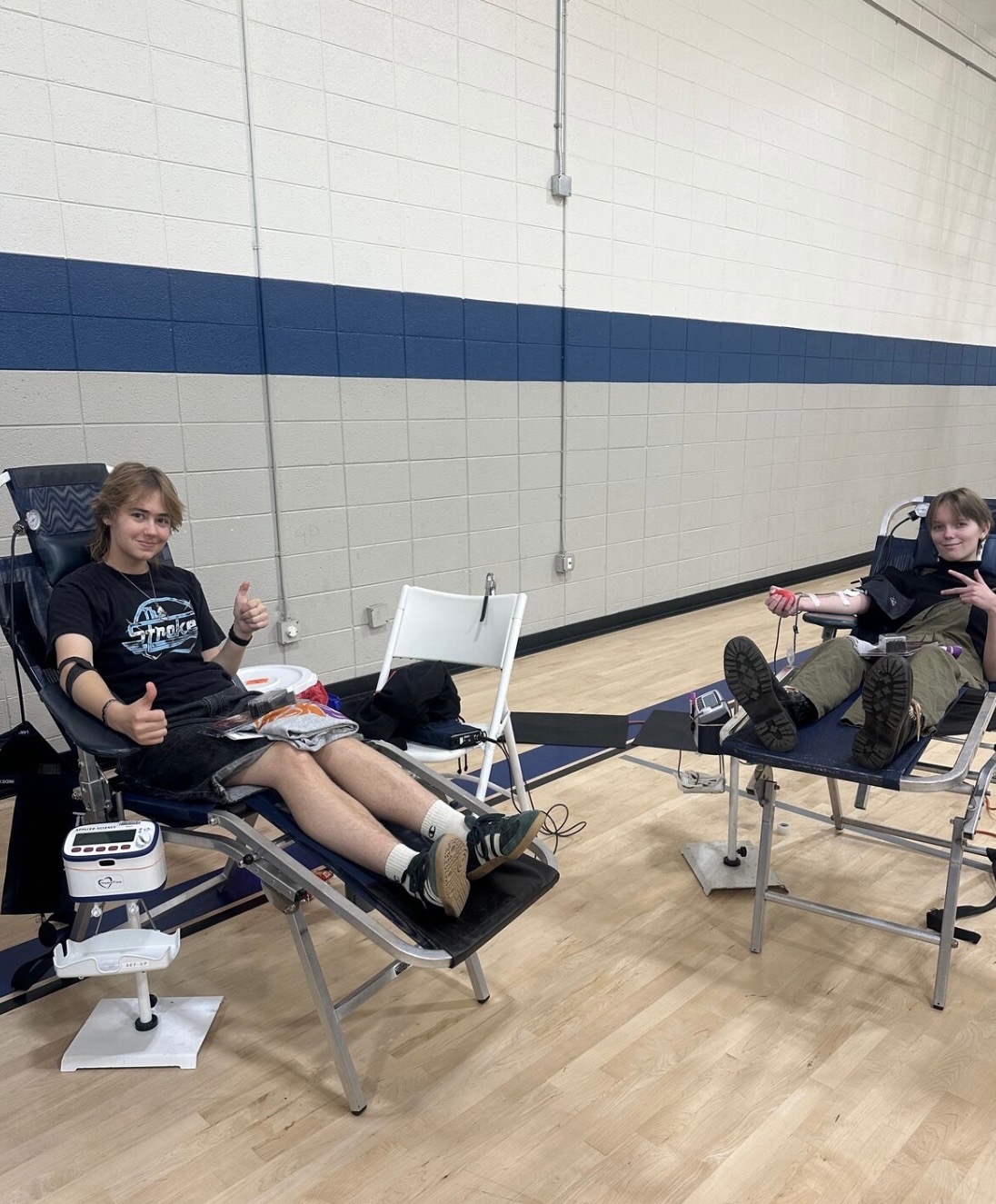
MBHS hosted its annual blood drive on Wednesday, Oct. 29, in the small gym.. A lot of people signed up for it, and senior Willa Turton, who is the head of the dance committee in ASB and organized the event itself, said, “There were a lot of people there, and the sheet to sign up was full. It was a great turnout and ASB did a lot to prepare and set it up. We did a lot to set up, we made signs, drew and colored them. We put out the signs in the halls and put the sign-up sheets in the office.”
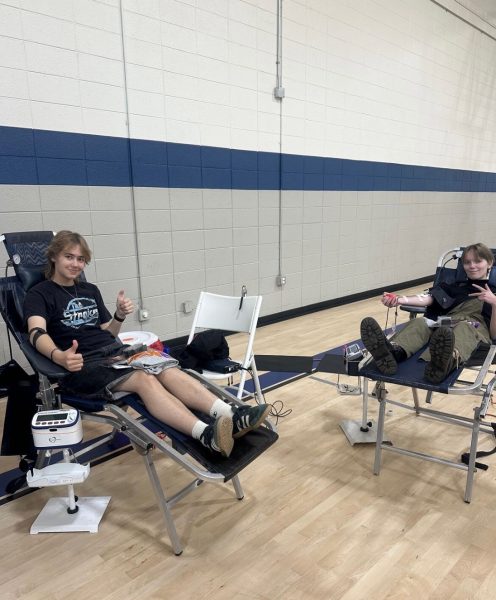
They also had to set up for it and had ASB members working the check-in. Some people got food before getting their blood drawn, and others wore vampire teeth because it was before Halloween. If students were over 18, they were entered into a list by the company that runs it, and got the chance to win up to $10,000. By doing the blood drive, students received two hours of community service, which is really good considering the donation is a short hour or so out of their school day.
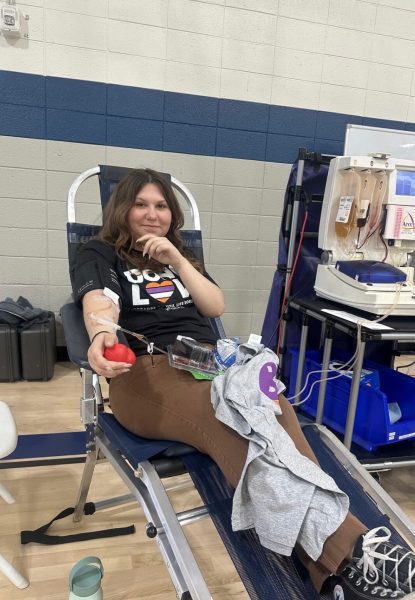
There are many reasons to donate blood, one of which is helping people in need of blood, which can potentially lead to saving a life. Blood can not be produced artificially or manufactured in a lab, so blood drives are essential for helping people get the blood they need after surgery, illness, and other issues that could cause blood loss. Blood drives also bring together the community by having a shared goal to help people in need, and sometimes blood drives honor people who are battling illness or have passed away. Blood drives may also help the donor because when you are a donor, you get a checkup for your blood pressure and iron levels, and can sometimes reduce your iron stores, which could improve your cardiovascular health. However, there are also a lot of risks and health concerns from getting your blood taken.
Some of the risks to consider before getting your blood drawn are the temporary feeling of dizziness and/or faintness, which can be prevented by eating and staying hydrated. Donors may also get infections, bruising, or allergic reactions. Many safety measures and precautions must be taken before you get your blood drawn. These precautions include making sure the needles and other equipment are sterile and clean, screening for diseases and infections that could be passed on to others, and making sure each donor meets the requirements, including health, weight, and age. The best blood types for blood drives are O negative, AB positive and negative, A positive, and B positive. O negative is the number one best for a blood drive because it is a universal donor.
The blood drive turned out great, and hopefully everyone who wanted to donate blood got to, and it was a great experience as a lot of people signed up to help donate.
!["PROM" sign at The Penny in SLO. [Elizabeth Davis]](https://mbspyglass.org/wp-content/uploads/2026/05/0025-1200x800.jpg)
![The Statue of Liberty in New York City. [Source: Britannica]](https://mbspyglass.org/wp-content/uploads/2026/05/Statue-of-Liberty-Island-New-York-Bay-1200x800.webp)