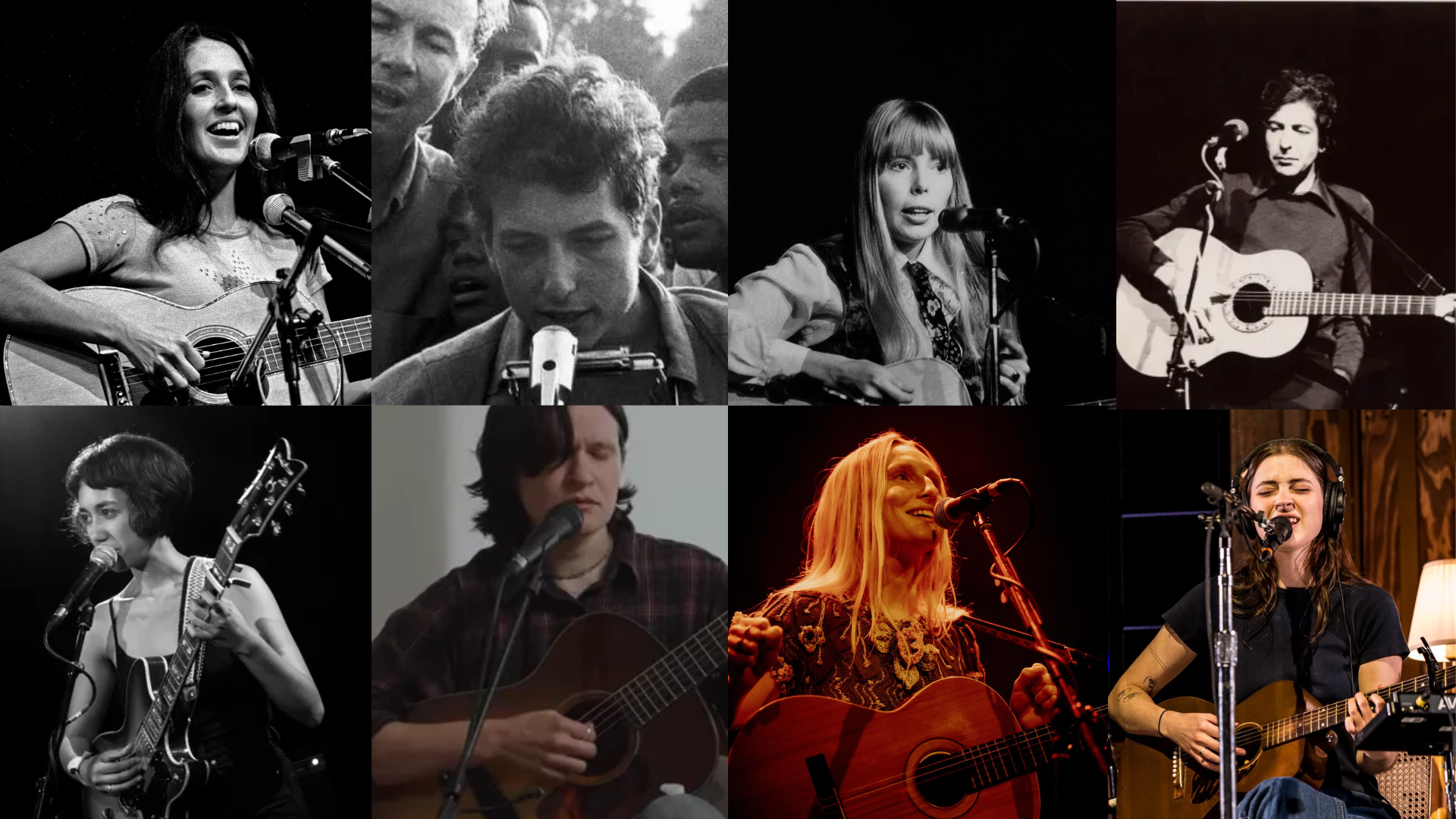

Joni Mitchell, Bob Dylan, Joan Baez, and Leonard Cohen are nothing unheard of; for decades, these names have lingered throughout households, and have now wended their way through the years, bringing us a new generation of folk musicians.
Artists such as Billie Marten, Adrianne Lenker, Lizzy McAlpine, and Haley Heynderickx have all tied together the future generation’s gift of restored folk.
The light brought back to folk music could stem from the drastic amounts of protests, political chaos, and all-around nagging of a teenager’s cell phone. The resurgence of folk music could be Gen-Z’s coping mechanism, an attempt to put themselves in a reflective state, to escape the noise and join the sweet twangs of an acoustic guitar. “I wonder if young people are using folk as a medium to reject the modern way, to reject capitalism,” said Marten.

Marten, an indie-folk singer-songwriter from the UK, writes with intention; lyrics with immense meaning and careful curation, as any folk musician does. As the world surrounding Gen-Z can seem frightening at times, grounding oneself in the sound that reminds them of being in nature or a more peaceful state seems to be a wonderful placeholder for getting through the times we live in.
Whether it be the lack of various instruments in the background to accompany folk artists, or the lyrics that bring the essence of reading your mind, the simplicity of it all embodies this calm and tranquil reflection amongst a generation that has experienced so much.

Lenker, the lead singer of Big Thief, also shares this quality of universality in her lyrics of great closeness and personalization, making one feel comforted and understood, which is all that Gen-Z yearns for. Throughout the COVID-19 quarantine, Lenker excelled in creating connectivity beyond the chaos with YouTube concerts with NPR Tiny Desk and KEXP, and later in-person concerts that carried the same amount of feeling whether she was behind a screen or physically with audiences, diving straight into their souls.
The world is ever-changing, and so is the music scene, but folk music is a universal force with which every generation can connect.
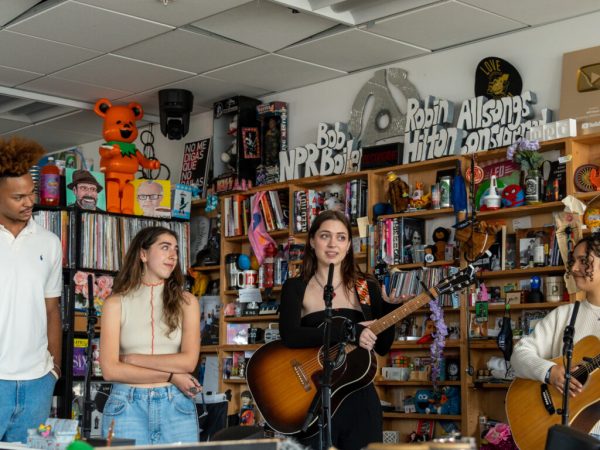
McAlpine offers a more modern twist to folk music, with her vocals seeming crisper and less echoed and raw, shown in songs such as “To the Mountains” and “Angelina.” She reclaims the essential tenderness that folk embraces through her lyrics and concerts, keeping that stylistic choice of a simple guitar and a mic. “I wanted it to feel emotional. I just wanted it to feel,” said McAlpine in an interview for The Creative Independent discussing her song-writing process.
Heynderickx, a folk artist who truly is the embodiment of folk as a whole, writes songs of conversation, discussing nature and all that surrounds it. When her 2017 single, “The Bug Collector,” rose in popularity across social media platforms, Heynderickx and her philosophies of finding beauty in the small aspects of life gained a following.
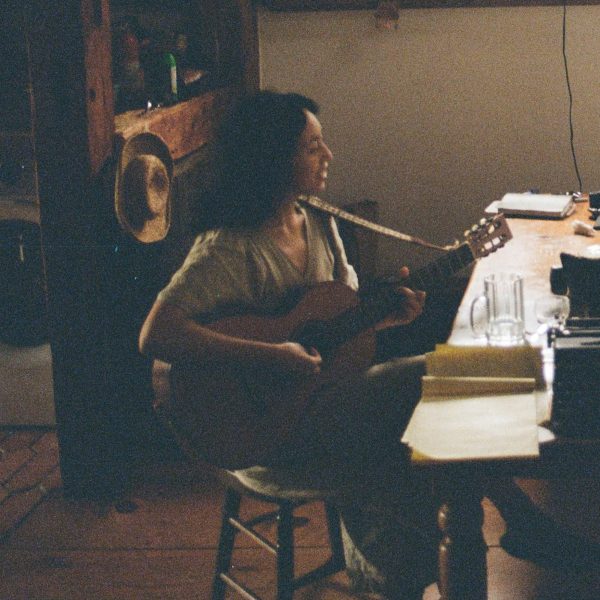
“Feeding the soul could be as tiny as investing in those friendships that make you feel full and inspired. It could be reading a letter to someone you really love or to yourself. It could be reading, taking the time to read the books that mess you up internally and externally and make you question everything,” said Heynderickx in an interview with WXPN.
What these 20th-century folk musicians, such as Dylan, Mitchell, Baez, and Cohen, all have in common with Gen-Z is their conversations about peace, ending war, and accepting all through their music.
In 2026, with everything seeming embarrassing, doom-scrolling being a regular activity, and real emotion being hidden behind not wanting to seem like “too much,” these newfound folk musicians offer a variation of relief for the generation, holding their hand through the bumpiness of the 21st century through the all-knowing guitar.
Sources: YouTube, Tiny Desk (NPR), Facebook


![Umi Sushi Morro Bay. [Source: Visit Morro Bay]](https://mbspyglass.org/wp-content/uploads/2026/05/Umi-sushi_3E8C3621-5056-A36A-062A18D5069BFE34-3e8c35ce5056a36_e45adf5f6bc0c5c2a30a39868f44eab6.jpg)