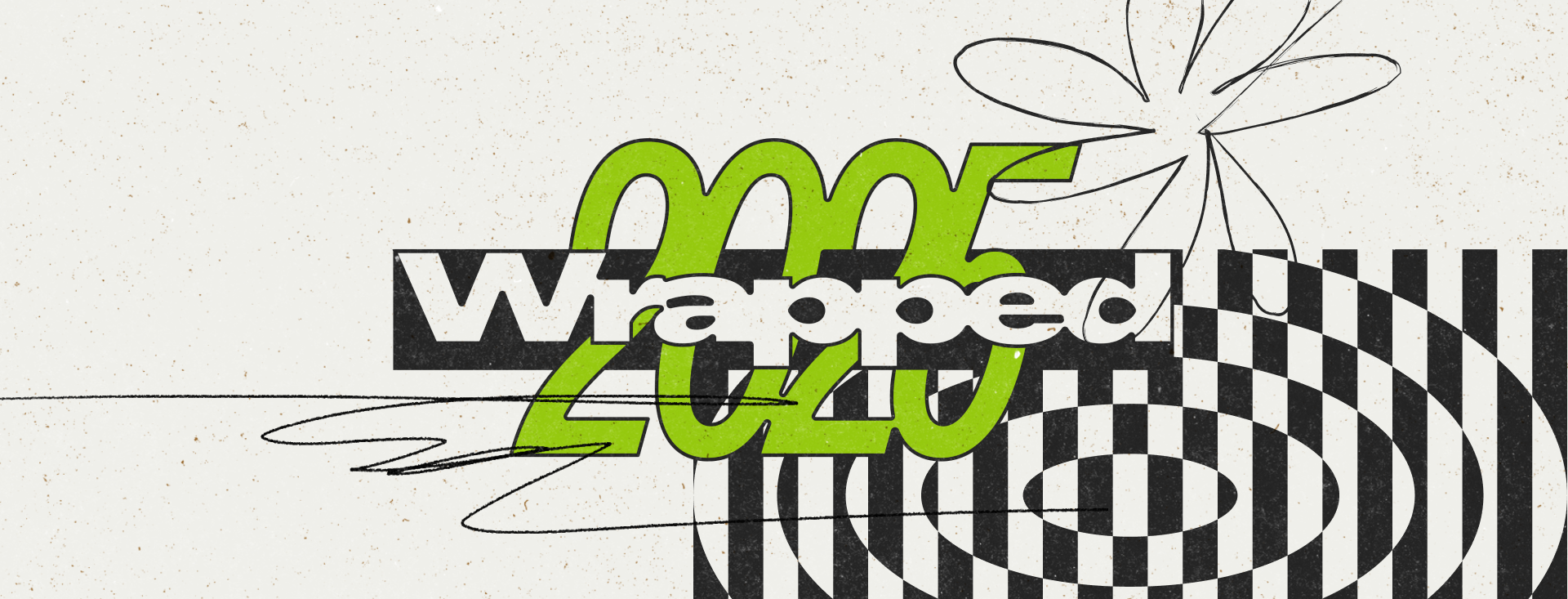

For the last 10 months, avid Spotify listeners have been on the edge of their seats for the most anticipated day of the year: Spotify Wrapped– the one day where everyone posts on their Instagram stories what statistics about their listening habits through the last year. This year’s Wrapped was released on Dec. 3 and had newly introduced prompts such as “Top Song Quiz,” where users can guess their top song from 2025, as well as “Listening Archive,” which reports certain dates of the year where you listened to a certain genre of music/songs. While the opportunity to reflect on a year of listening to music, alongside seeing what other people listen to, is exciting, the inaccuracy of the data that Spotify collects catches up to the year’s Wrapped.
As Spotify takes its data of your year’s listening from January to October, it can be caught in the crossfire for listeners for whether it’s reporting their favorite music or just the music that they played the most. Whether it be playing a song for a second or through the entirety of it, Spotify collects its data from the moment you press play on a song. It’s extremely common for listeners to find that the songs they are receiving as their “Top Song” really just are the songs that Spotify plays first in their playlist consistently, and may have nothing to do with them actually choosing to listen to it.
Within Spotify Wrapped, listeners feel as though they don’t receive an accurate representation of music that they listen to, since if you are hosting an event or falling asleep to a certain song daily, there is no way to remove certain songs from your listening history. “One of my top albums was The Zombies soundtrack that came from babysitting,” said freshman Reese Brinkman, who also mentioned that KPop Demon Hunters was in her top artists because of the number of times she babysits, not bringing in a representation of her personal music taste, but rather, the children’s.
Private Sessions, also known as “guilty pleasure” listening, is a feature on Spotify to directly combat this effect, as it finds a way to hide music that doesn’t have anything to do with their own taste, but it can be a fine line between people who hide all music they like but are embarrassed of and those similar to Brinkman who would use it for its innate purpose. This feature can reinforce the idea that music is essential to who you are, and it needs to be accurate, but at the same time, there will always be people who use it to their advantage so that they seem “cooler” for not listening to embarrassing music.
The overall feeling of Wrapped being inaccurate could have something to do with the months it gathers your music information from, as it’s January through October rather than the cumulative year itself. Spotify’s reasoning for this is that it steers away from holiday music as a genre, attempting to make people not get their wrapping ruined by the overwhelming amount of music that is centered around the holidays. “Christmas music was one of my top five genres,” said Brinkman. “I’m proud of that being one of my top five.”
After last year’s backlash because of the massive amounts of AI Spotify was using to gather data for its Wrapped, this year welcomed in a more creative approach, with AI only being used on one part of the Wrapped, “Listening Archive.” The “Listening Archive” consists of personalized moments from specific nostalgic days of your life, taking data from an extreme difference in the sound of the day. “I think this year’s Spotify Wrapped was so much better than last year’s, because last year’s was so AI-generated,” said senior Joaquin Cuellar, who has used Spotify as his streaming service since his freshman year.
Spotify Wrapped is a highlight of some people’s year, with it tying together your year’s listening into an early Christmas present, waiting to be unwrapped and unveil the memories that songs are connected to, a present that’s shared with everyone on Instagram as well. People all across the world subconsciously call attention to themselves and to their followers, exposing to the world musicians and songs that tell a lot about who they are as people.
“If it’s one of my friends, I’ll like the story. I kind of like it because people expose themselves,” said Brinkman, discussing how people on Instagram post their Spotify Wrapped annually. While it can be annoying to some to see every post be another person’s top artist, it has the opportunity to bring everyone together for a day, in a way that Instagram rarely ever can, giving insight into what the people you follow listen to daily.
Though many people feel as though their music taste is inaccurately depicted through Spotify Wrapped, there are overall parts of what they truly listen to that are showcased. “My top songs of the year were ‘Anything’ by Adrianne Lenker, ‘Shamika’ by Fiona Apple, ‘Cabaret’ from Cabaret, ‘Don’t Know Why’ by Nora Jones, and ‘Whipped Into Shape’ from Legally Blonde The Musical,” said senior Acacia Mayo, who has been using Spotify as their streaming service since early 2020.
While the first four songs that Wrapped reports Mayo listened to the most, they feel as though “the spring musical messed up my Spotify listening for the year, because I’ve listened to a lot more music this year than just musicals as a whole.” Through various events that are attended by listeners, the amount of certain songs you play heavily impacts the way in which your Wrapped turns out. With trying to please everyone in a room with a side of your music taste that isn’t necessarily consistent, Spotify Wrapped becomes lost in your own individuality.
Spotify Wrapped offers a sense of community each year; sharing with others your listening habits, or the genres in which you listen to, simply prompts if we are as interested in other people’s Wrapped as much as we are in our own. It also pokes at the question surrounding people’s top artists and songs that they are embarrassed by: How honest are you truly being about what you listen to?
![Umi Sushi Morro Bay. [Source: Visit Morro Bay]](https://mbspyglass.org/wp-content/uploads/2026/05/Umi-sushi_3E8C3621-5056-A36A-062A18D5069BFE34-3e8c35ce5056a36_e45adf5f6bc0c5c2a30a39868f44eab6.jpg)