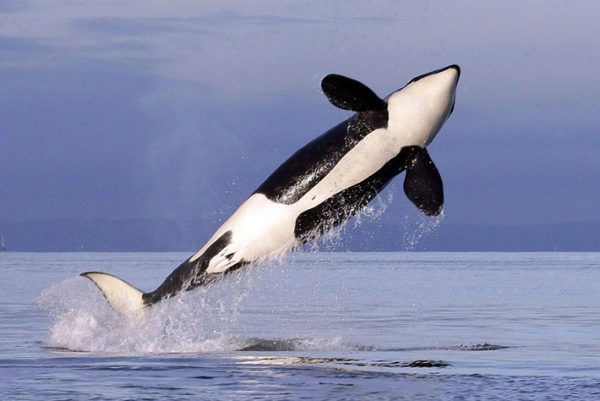
Throughout the deep oceans, there are a variety of creatures that dwell within. From creatures larger than three buses to tiny microscopic organisms. In this vast ecosystem, orcas stand out with their bold black and white coloring, mysterious ecotypes, and incredible hunting skills. However, orcas have a bad reputation among people and other animals, due to sinking fishing boats, attacking beloved animal species, and their intimidating appearance. This has earned them the common name “killer whale.”
Orcas live all throughout the world, but their behaviors and appearance change depending on the region they live in. There are many ecotypes, but the main ones are transient, offshore, and resident orcas. Offshore orcas have the least amount of research out of the three since they occupy deep waters. They usually reside in large pods and hunt sharks and fish. Resident orcas keep to the coast where they hunt salmon. They live in medium-sized pods and are extremely vocal while hunting. Transient orcas also inhabit closer to the shore and are the most skilled hunters of these ecotypes, and hunt mammals like dolphins, seals, and whales. They live in small pods and prefer to hunt without being as vocal as resident orcas usually are. All three types have the eldest mother in charge and stick with their families even as they grow older.
Orcas have been known to sink fishing boats in the Strait of Gibraltar. These attacks started in 2020 and still continue to happen. Many people speculate that the orcas are after revenge since that strait has many boats that go through. The noise produced by boats makes orcas’ communication harder in the water and affects salmon patterns, which these creatures hunt as a staple. However, others think orcas are attacking these ships to improve hunting and to play with others in their pod. Rodders on the boats are targeted in order to destroy them, and people find the older orcas teaching the younger ones what to do. The truth on why orcas do this is unknown, but all theories on this topic don’t point at orcas as evil, but rather playful animals or animals trying to take back their home due to sound pollution.
Another reason orcas face hate is their diet and hunting habits, as transient and offshore orcas are known to hunt whales and sharks with rather extreme methods. This causes many people to look at them with a monstrous view, but they have no problem with resident orcas using harsh hunting methods on fish. Transient and offshore orcas will target calves and elderly whales. To hunt them effectively, they will trap them in caves or drown them while keeping the whales’ blowholes underwater. While some view it as cruel, others see this as orcas demonstrating impressive strategies to hunt prey much larger than themselves. They use whistles and clicks to make formations in the pods and give each orca a job. This shows high intelligence and not only the ability to make plans but also to communicate them to others orcas.
Unfortunately for their reputation, once a whale is killed, orcas only eat the tongues and leave the rest, but this serves a greater purpose and helps the ecosystem significantly. Whale tongues are so huge that a tongue from a whale calf can feed multiple orcas. The tongues are dense with nutrients, and this causes orcas to be provided with a sufficient meal without having to hunt as frequently. Whale blubber is too thick for orcas, but this abandoned carcass will feed all the marine scavengers. Dolphins, birds, sevengills, and seals are given a free meal with extremely beneficial proteins and nutrients. Large pieces that sink to the deep sea give those deep ecosystems a rich meal that is critical for nutrient cycling.
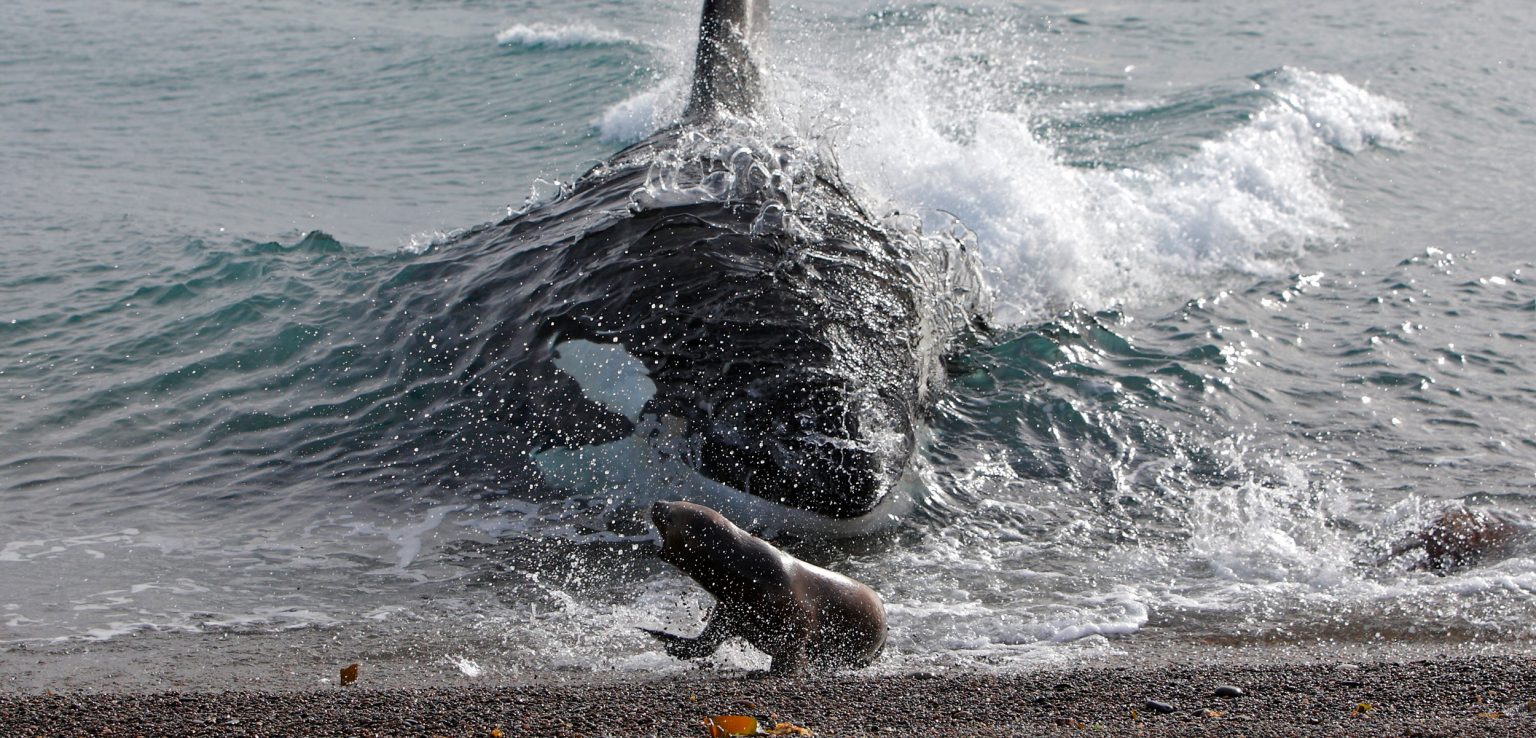
Another incredible hunting skill is purposeful beaching. Orcas will beach themselves to catch sea lions before escaping back into the water. Many researchers have seen females teach their calves this strategy and practice patience while teaching. Sea lion populations are nearing carrying capacity, which makes orcas hunting them an important aspect of the environment as well.
With all this in mind, orcas are not the villains the media portrays them as. These are extremely intelligent creatures that frequently play with other pod mates and have such complex languages that it differs from pod to pod. Orcas may seem extreme, but in reality, they help many ecosystems and fascinate the minds of people all over the world.


![Umi Sushi Morro Bay. [Source: Visit Morro Bay]](https://mbspyglass.org/wp-content/uploads/2026/05/Umi-sushi_3E8C3621-5056-A36A-062A18D5069BFE34-3e8c35ce5056a36_e45adf5f6bc0c5c2a30a39868f44eab6.jpg)