Every year, millions of people visit Munich in Germany for one of the most famous festivals in the world: Oktoberfest. It is a celebration full of history, music, food, and colorful traditions showcasing much of German culture.
The first Oktoberfest took place in 1810. It all started as a royal wedding celebration, the Crown Prince Ludwig, later King Ludwig I of Bavaria, married Princess Therese of Saxony-Hildburghausen. The people of Munich were invited to join in, and the festivities ended with a big horse race on a field just outside the city gates. That field was named Theresienwiese, meaning “Theresa’s meadow,” after the princess, and that is still the official festival location today. Because the event was so popular, the city decided to repeat it every year. With time, it grew into the huge folk festival now known as Oktoberfest.
Now, Oktoberfest generally takes place in late Sept. right into the first week of Oct. The reason it starts sooner is because Sept. is usually warmer and nicer for outdoor festivities.
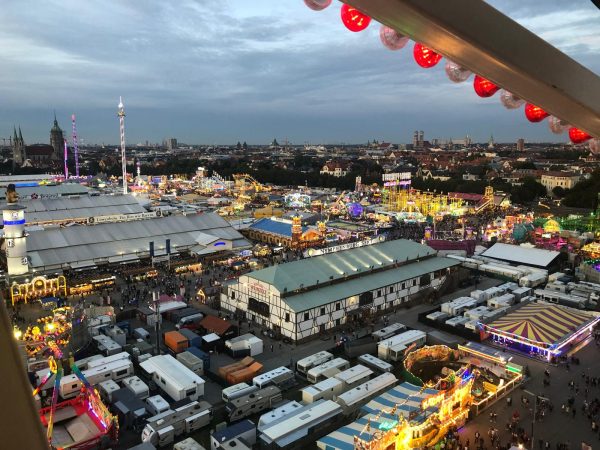
The Munich Oktoberfest grounds include more than 100 acres of area with 14 big beer tents and many carnival rides, food stands, and souvenir shops. Bright lights, cheerful music, and the smell of roasted almonds and sausages fill the air. Visitors can enjoy typical Bavarian food such as pretzels, sausages, roast chicken, and pork knuckles.
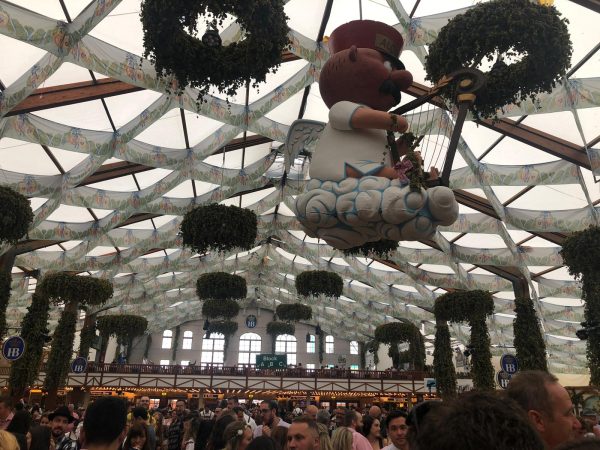
Music plays an integral part in the celebration. Each beer tent has a live brass band playing German folk songs, polkas, and even modern pop hits. People sing, dance, and raise their mugs together shouting “O’zapft is!” (“It’s tapped!”), the phrase used when the first beer barrel is opened by the mayor of Munich to officially start the festival.
Visitors often wear traditional clothes called Trachten. Men wear Lederhosen, leather shorts with suspenders on, and women wear Dirndls, colorful dresses with an apron. Visitors to the city love to join in by renting or buying these outfits.
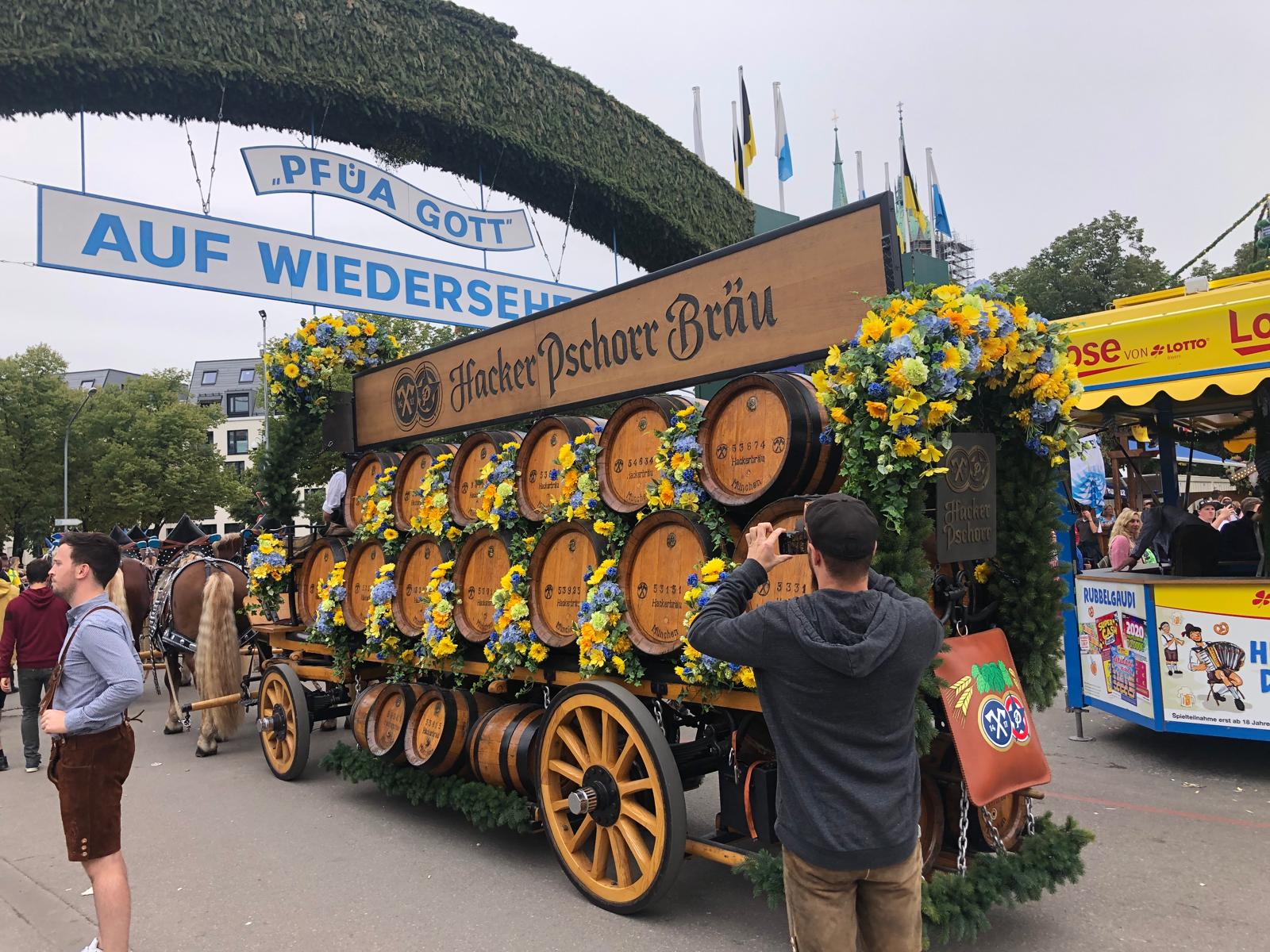
Oktoberfest is far more than just a marathon of eating and drinking, though. There are roller coasters, Ferris wheels, carnival games, and even parades that showcase old Bavarian costumes and horse-drawn beer wagons.
The Oktoberfest attracts some six million visitors from all parts of the world each year. It is not simply a party, but a celebration of Bavarian culture, friendship, and joy that has continued for over 200 years. Munich’s Oktoberfest is a once-in-a-lifetime experience for anyone who enjoys history, culture, or just plain fun. It shows us how tradition and community can bring people together from every corner of the globe.

![Gas prices being displayed at a Shell gas station as an airplane approaches San Diego International Airport for a landing on April 24.
[Source: Kevin Carter/Getty Images]](https://mbspyglass.org/wp-content/uploads/2026/05/RabadonJet-Fuel-1.png)