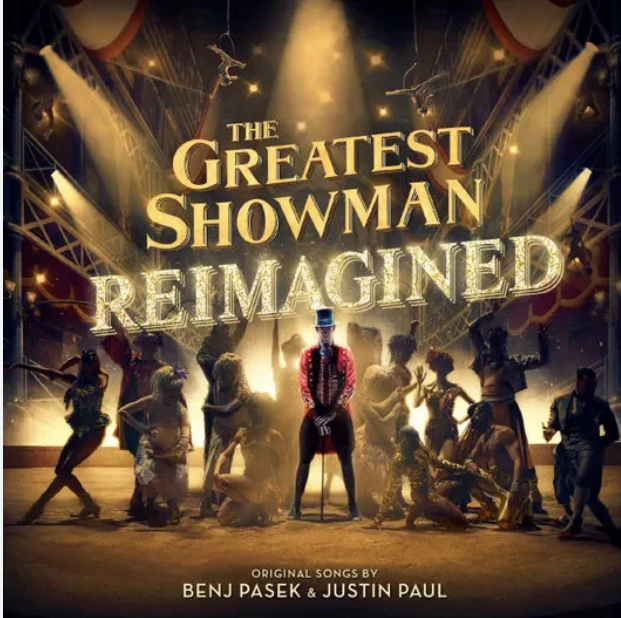
On Dec. 8, 2017, “The Greatest Showman” released their original soundtrack; a year later, on Nov. 16, 2018, “The Greatest Showman: Reimagined” was released. For this soundtrack, each song is performed by a famous artist, rather than the cast of the movie. Despite the talent that these artists have, the songs themselves often lack the same emotion that the originals do, making them less interesting to listen to. Every track in the reimagined version is unique, but three tracks in particular stand out as either an incredible recreation or a very poor recreation of the original.
“A Million Dreams”
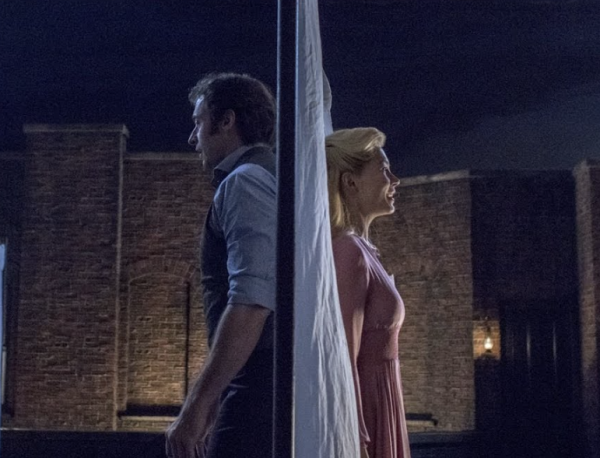
With the original being performed by Michelle Williams, Hugh Jackman, and his younger counterpart, Ziv Zaifman, this piece is the key transitional moment between P.T. Barnum’s childhood and adulthood. In the movie, we see younger versions of P.T. Barnum and Charity Barnum explore their future together, and they are seen as youthful, carefree children.
The song itself has an incredible impact on the viewer’s perception of the two; it gives the audience a really deep understanding of their passion and love as they grow up together. Jackman and Williams’ voices go very well together, and one of the best parts of the song is the transition from Zaifman’s young voice to the voice of Jackman’s, showing the time that has passed.
Unfortunately, in the reimagined version, listeners do not get to hear the passing of time in their voices. With just a solo singer, a major theme and part of the song – growing up with someone you love – is lost. Famous for songs such as “So What” and “Just Give Me a Reason,” P!nk’s recreation of this track sounds beautiful. Her vocals are perfect for the track, and she doesn’t change too much from the original. On its own, this song is wonderful to listen to, as P!nk has an incredible voice and breath control.
However, the lack of transition from a child’s singing to an adult’s, as well as the lack of a second singer in the final verses, ultimately causes this song to fall short of the original track. It cannot feel and understand the emotions of the characters in a way that the original track does.
“Never Enough”
The original track, performed by Rebecca Ferguson but sung by Loren Allred, is considered one of the most vocally challenging songs in the musical. Requiring incredible range and breath control, the song itself is already a challenging piece. The original is performed in a moment in the film in which the lyrics are meant to really resonate with the characters and audience, showing clips of characters being in awe of the performance.
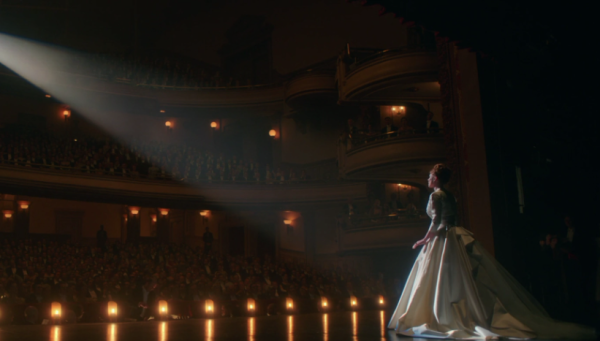
Allred’s original performance of the song easily puts it in a top spot for emotional connection with listeners. Even without the visual aspect that sets it apart from other tracks, Allred is able to convey those emotions to the audience just as well.
The reimagined version, sung by Kelly Clarkson, does a pretty incredible job of conveying the emotions from the original song and performance. Clarkson’s famous vocal range and skill were a perfect fit for this track. While she did put her own vocal spin on a few of the lyrics, overall, her version was a good representation of the original.
While not perfect, the skill required for the song in the first place makes it hard to replicate at all, and her interpretation was one of the best formal recreations of the piece. It still lacked the original raw emotion, but Clarkson’s own interpretation of the emotion comes across as very similar and still amazing.
“Tightrope”
The original “Tightrope,” performed by Michelle Williams as Charity Barnum, has this unique delicacy to it that is yet to be perfectly recreated. The original is performed as an expression of her excitement about exploring the unknown and taking risks with her husband, with the “tightrope” metaphor referencing P. T. Barnum’s job in the circus.
Williams has a brilliant voice that is shown throughout the movie, but this solo performance is certainly the highlight of her talent expressed in the film. Simply put, the original version is beautiful – it perfectly encapsulates her character’s emotions from this scene, and they are easily understood at a deep level, even without the visual performance.
The reimagined version, however, takes almost an entirely different perspective on the song. Sara Bareilles, famous for songs such as “Gravity” and “Brave,” takes on a slower, heavier voice. While it still sounds nice, the addition of the piano in the background of the verses makes this song sadder than it really is intended to be from the original.
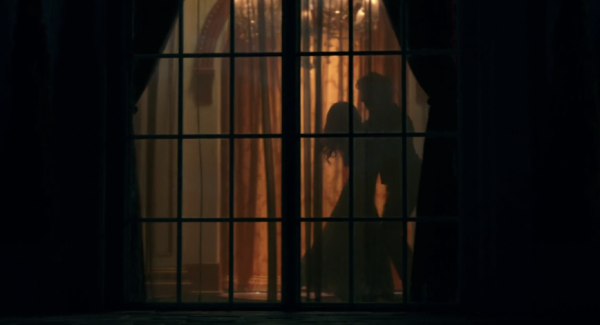
She sings slower, lower, and even adds her own vocals between the chorus and verses. It loses the original meaning when performed this way; instead of feeling uncertain yet hopeful and excited, it feels sad, sorrowful, and gloomy. The hint of happiness is lost, an aspect of the original that kept it from tipping over into a depressing track, rather than an exciting one. While still lovely to listen to, it bears little emotional or vocal resemblance to the original track.
Across almost every single track of “The Greatest Showman: Reimagined,” it becomes clear that the goal of the album is not to effectively recreate the songs with their original themes and emotions. Rather, the goal is to recreate each song as a more “pop” version of the original, perhaps intended for those who enjoy the songs themselves but would rather listen to versions made by familiar singers. While the tracks consistently lack the spark that embodied the original tracks, for what their purpose is, they are almost all a great recreation of the lyrics and rhythm alone.