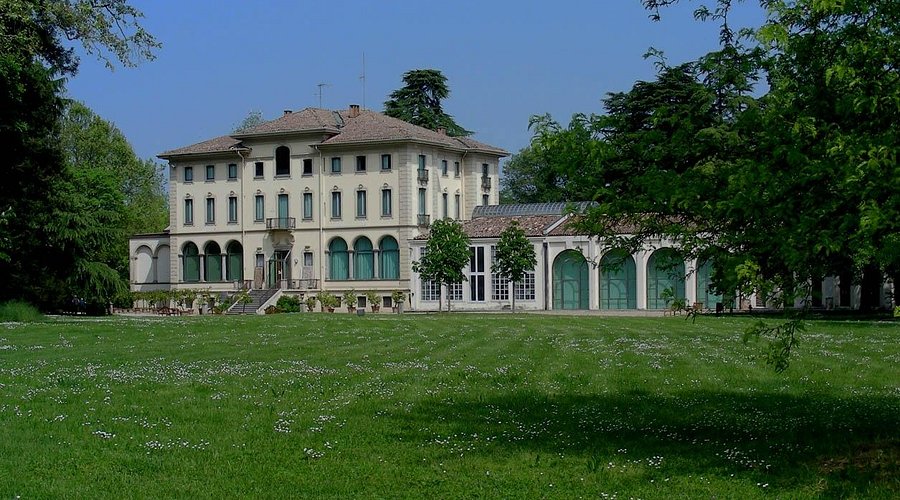
Five months ago, the famous Louvre Museum in Paris was robbed of historic crown jewels. Well, the trend of thievery in European museums is back; an Italian art museum was robbed of several paintings on March 22, 2026. The Magnani-Rocca Foundation is a private collection museum in the rolling hills of northern Parma province, and was broken into at night. The thieves grabbed three paintings in the museum before escaping via the museum gardens. The heist reportedly lasted only three minutes, but in those three minutes, paintings by Pierre-Auguste Renoir, Paul Cézanne, and Henri Matisse were stolen, worth millions of dollars. Professionals believe the fast and organized Italian heist was inspired by the similarly organized Louvre heist.
To art enthusiasts around the world, this heist does not come as a surprise. Art and museum valuables have an extensive black market, despite the actual process of selling stolen pieces being incredibly difficult. In the Louvre heist, the jewels will most likely be melted and re-cut to be sold for parts as individual gems and ingots of metal. In the Italian heist, the paintings will be particularly difficult to sell. With no way to authenticate the paintings, and a highly publicised heist, the paintings will likely only sell for an estimated 7-10% percent of their actual worth. If they cannot be sold fast enough, they may be hidden for decades to age out of public memory before a second attempt to be sold. Despite the stereotype of a black-market art collector smoking a cigar as he looks at his illegally gained private collection, in reality, if these paintings are sold, they are more likely to be used as collateral payment for other organized crime deals like drug and weapon smuggling, as the world of art theft is shockingly highly linked to such severe crimes. If the paintings are too difficult to sell or the thieves are exposed, they might even destroy the pieces.
Seeing heists like these can devastate the average art and history fanatic, as often these pieces are lost forever once stolen, or only recovered decades later. However, heists, despite their recent popularity, are generally rather rare, and there are many more people working to preserve and share art than there are stealing it.
Currently, no arrests have been made as the thieves were hooded and hard to identify, and police have no forensic leads. Hopefully, these thieves will be caught soon, and the paintings will be returned to their home in the museum.


![Gas prices being displayed at a Shell gas station as an airplane approaches San Diego International Airport for a landing on April 24.
[Source: Kevin Carter/Getty Images]](https://mbspyglass.org/wp-content/uploads/2026/05/RabadonJet-Fuel-1.png)