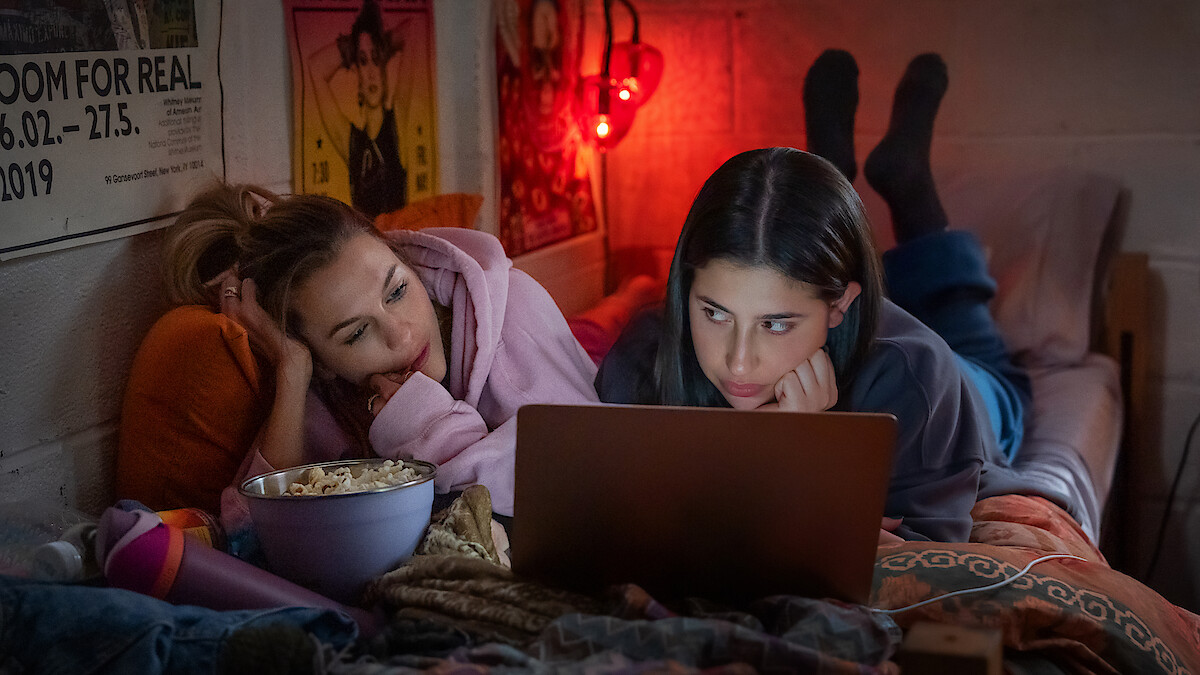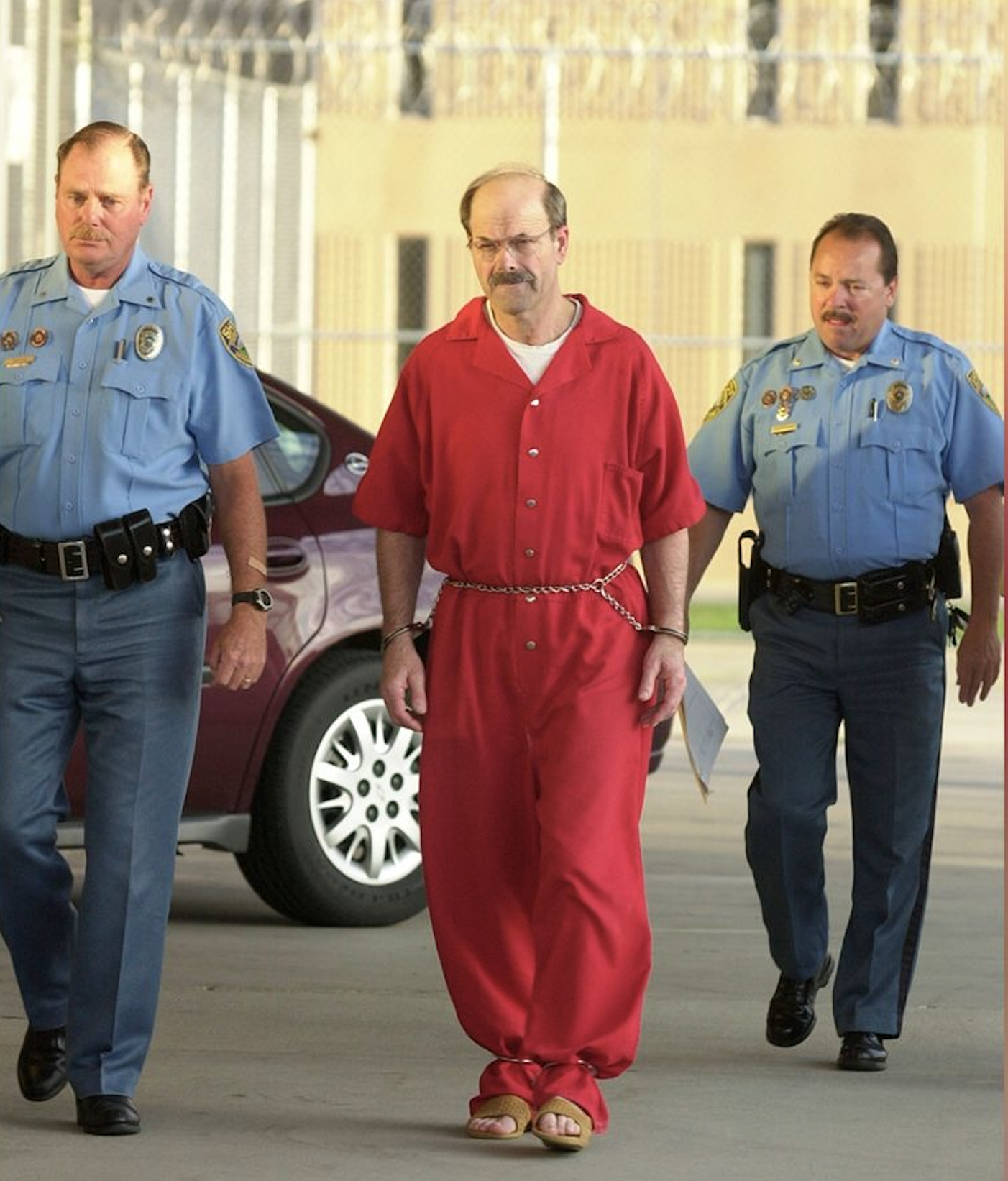
“I mean, he did all the things that all the dads did,” said Andrea Rogers, childhood friend of Kerri Rawson. “My Father, the BTK Killer” explores the story of Dennis Rader, the infamous BTK Killer, through the eyes of his daughter, Kerri Rawson. The BTK Killer, known for his M.O. of “bind, torture, kill,” murdered at least 10 people in Wichita and Park City, Kansas, between 1974 and 1991.
“My father, on the outside, looked like a very well-behaved, very mild-mannered man. But there’s these moments of Dad; something can trigger him and he can flip on a dime, and it can be dangerous,” said Rawson, reflecting on her childhood with her father, “You just knew not to sit in Dad’s chair at the kitchen table, you knew to let him get lunch first. You let him choose what activities you were going to do, what movies, where you were going. A lot of control.” Rawson, thinking back on these experiences as a child, spoke about the realizations that came from connecting her father’s obsession with control and his M.O. as a serial killer.
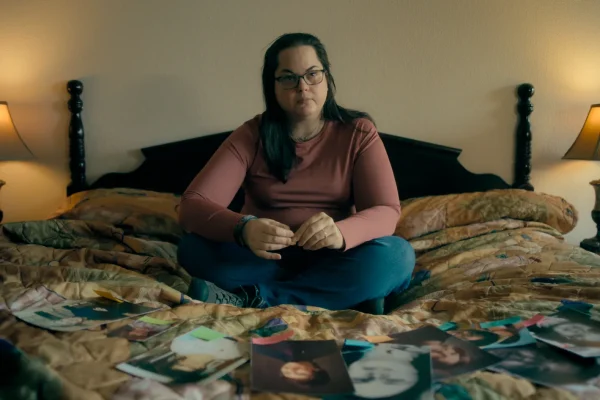
Throughout the documentary, the audience sees two very different perspectives on Rader. From Rawson, the audience is shown a cold but nostalgic reflection on her childhood with her father. “I totally forgot that I used to hike, ride bikes, and hike along this ditch with Dad,” Rawson said. Looking back on the past, Rawson tells her story as Rader’s daughter, as someone who is now living with the trauma of discovering what he did and who he was, yet who also still very much loves him.
“I’m going to always love my dad, I mean, he’s my dad,” she said.
On the other hand, parts of the documentary are set as interviews with police chiefs, forensics experts, and other law enforcement members who were active during the hunt for the notorious BTK Killer. Describing Rader, former Wichita Police Chief Richard LaMunyon said, “You’re dealing with a person who is perverted, a person that is sick,” in a video clip from the investigation.
Although the documentary claims to be a story of how Rader’s actions affected his daughter and the rest of the family, it really lacked the focus on the mental health effects on the family, and Rawson, especially. Overwhelmingly, it was a documentary centered on the case itself, on how law enforcement ultimately put the clues together to arrest Rader.
The documentary only contained a few scenes featuring the mental health effects that Rader had on Rawson. In one notable scene, Rawson is filmed as she explores her old property, remembering the garden her father had once grown in the backyard. As a woman walks by, hundreds of feet away on the opposite side of the street, Rawson is pictured turning away and becoming frantic and paranoid, asking the videographer if the woman is taking photos. After the videographer confirms she is not photographing the two, Rawson seems to calm down, although she still appears very shaken and concerned.
This is likely some type of trauma response, formed after the news of her father’s murders came out during a time when the media was desperate to get interviews from her and her family. “We had everybody from Oprah to Larry King trying to interview us, Diane Sawyer, and my family just said no. So we had declined everything,” said Rawson.
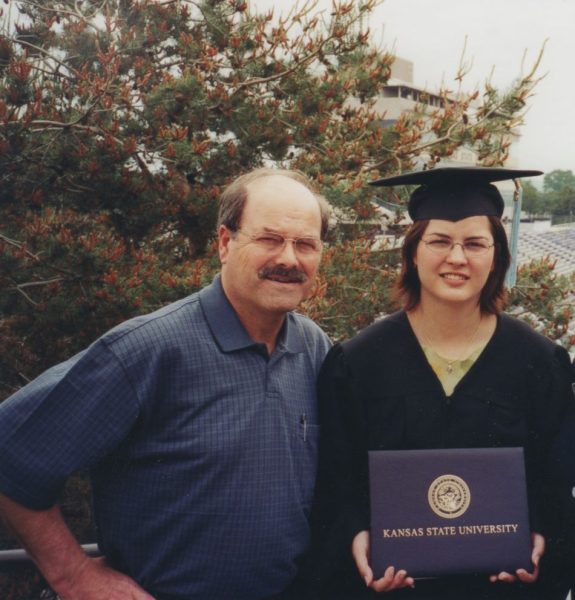
Disregarding the claims to be a documentary centered around Rawson and her experiences, on its own, it is an incredibly well-made documentary. The timeline was set very well, especially for an event that had begun 50+ years before the documentary’s release. The quality of the interviews is incredible, even containing video clips from the initial news interviews from the 70s.
“My Father, the BTK Killer,” is an incredibly well-made documentary. Despite its lack of depth in the effects of Dennis Rader’s actions on his family, as the documentary is advertised, it is very well produced. The snippets into Rawson’s life, both past and present, provide a unique perspective on the results of Rader’s crimes, showing that despite a person’s faults and actions, they may very well still have people who love and care about them. Giving the public a fresh perspective on criminals is something that really sets this documentary apart from others.