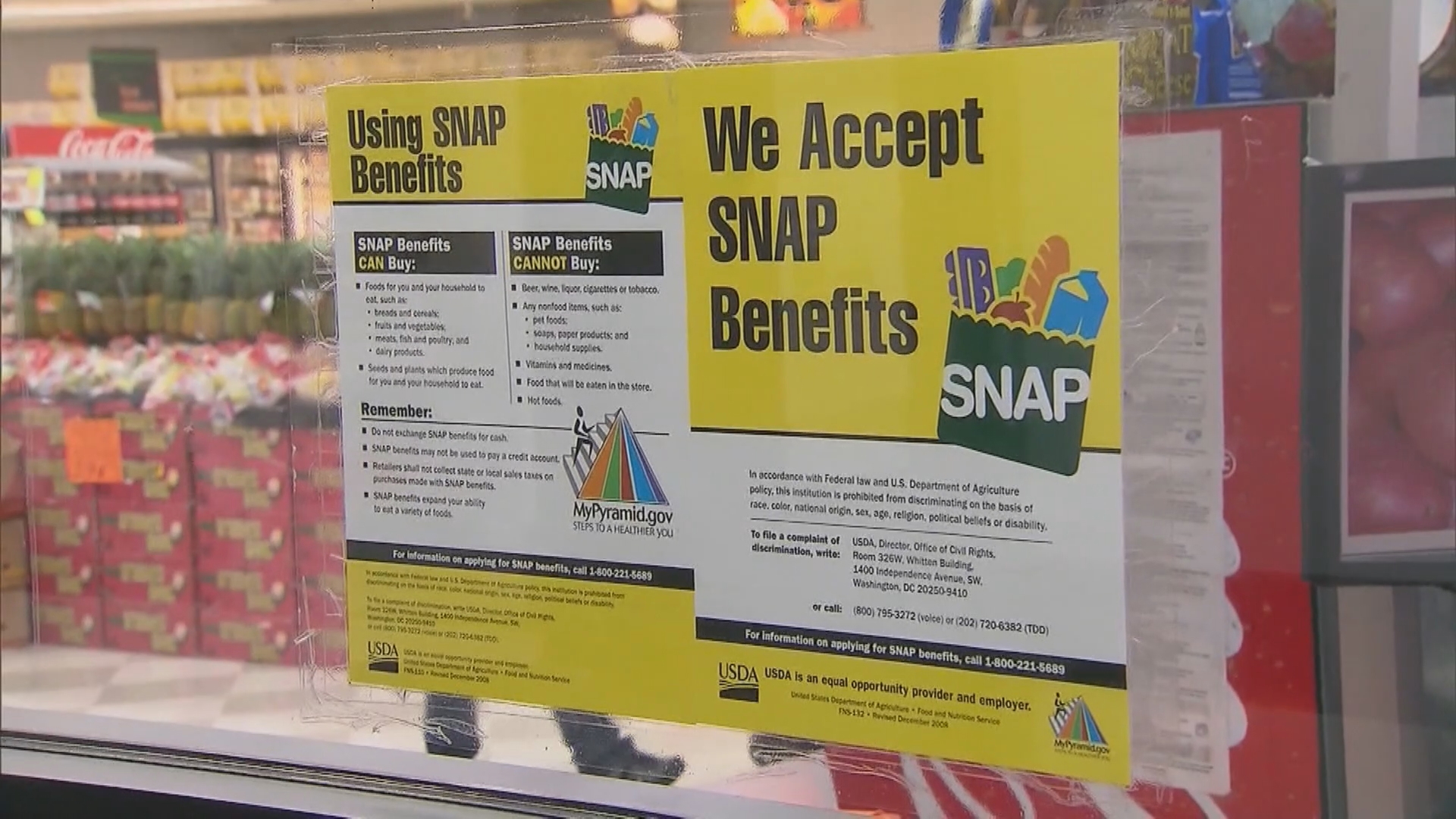

This year, millions of Americans who rely on SNAP (Supplemental Nutrition Assistance Program) could go without food benefits starting Nov. 1, following a nationwide suspension announced by the Trump administration last week. The pause is connected to the ongoing federal government shutdown, which has halted funding for several major programs. According to the USDA (U.S. Department of Agriculture), SNAP benefits have run out and cannot be renewed until Congress passes a new spending bill. The program, which provides food assistance to about 42 million people in the country, costs the government roughly $9 billion each month. The USDA issued a warning statement that “the well has run dry,” and that under federal law, it cannot issue payments without approved funding.
The suspension marks the first time in the SNAP program’s 60-year history that regular monthly benefits will not be distributed. States have been told not to process payments for November until further notice. The announcement has drawn criticism from state officials and hunger relief organizations. Feeding America, one of the nation’s largest food bank networks, called the sudden stoppage of benefits “devastating” for low-income families across the country, many of whom include children, seniors, and people with disabilities. The Food Research & Action Center (FRAC) stated that delayed benefits could force many households into “extreme choices such as whether to pay their rent or feed their kids, since most recipients live paycheck to paycheck.”
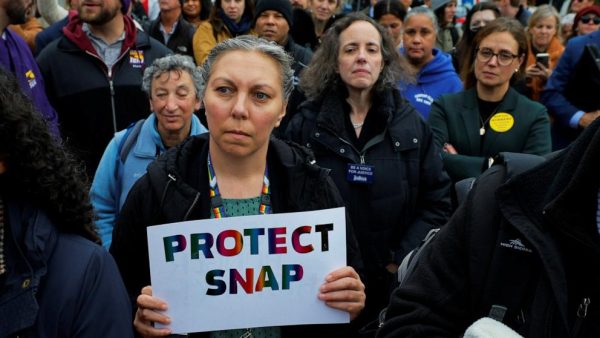
California State Governor Gavin Newsom said that the pause could potentially affect over 5.5 million residents in his state alone, adding that “Families will face impossible choices between food and other essentials. The governor and attorney general are now suing on behalf of these residents, denouncing the pause as “cruel” and a refusal to spend already-appropriated funds. Families dependent on SNAP have now been advised to use any remaining balances on their EBT cards and shop carefully, buying only essential items with any leftover funds.
In response, several states and advocacy groups have filed lawsuits against the USDA, urging it to use its emergency reserve funds to cover November’s payments. However, the White House has maintained that only Congress can restore the program’s funding. Some nonprofit organizations and attorneys have stated that by the end of the government shutdown, the USDA will almost certainly be forced to issue the missed November benefits, and various legal experts said that federal rules mean that the USDA must pay beneficiaries the full benefit for each month, and judges could force it to distribute the aid once money is available. If a federal court grants relief to the states or Congress passes a solution, SNAP benefits could resume, and people benefiting from SNAP would be able to receive their payments, albeit retroactively. Swift action in Congress has not yet been taken, and SNAP benefits are expected to remain paused for the time being.
Sources: Official USDA/FNS website (fns.usda.gov), Reuters, Newsweek, CBS News, Scripps News, official website of the Governor of California (gov.ca.gov), Feeding America, Cheese Reporter.


![Gas prices being displayed at a Shell gas station as an airplane approaches San Diego International Airport for a landing on April 24.
[Source: Kevin Carter/Getty Images]](https://mbspyglass.org/wp-content/uploads/2026/05/RabadonJet-Fuel-1.png)