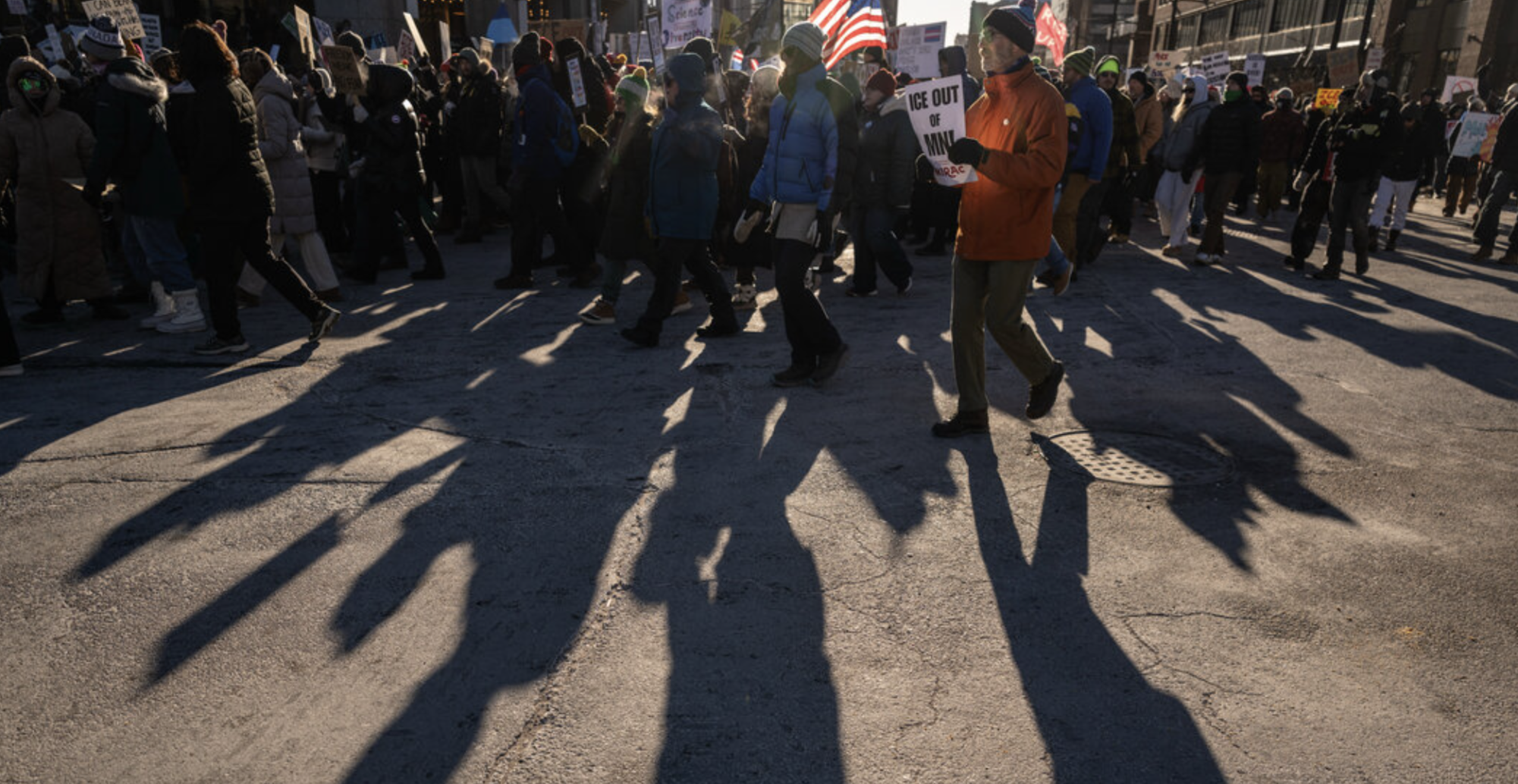
The clash between national security and online free speech is reaching a thin line, especially when you look at how Homeland Security (DHS) interacts with social media. Recently, there’s been a real problem over the government’s push for social media companies to crack down on accounts that criticize ICE. The government wants to manage the narrative and stop what it sees as misinformation or security threats. When they pressure platforms to shadow-ban or flag political accounts, it raises concern over people’s First Amendment rights and how much power the state should have over our private conversations.
In recent months, Google, Reddit, Discord, and Meta, which owns Facebook and Instagram, received hundreds of administrative subpoenas from Homeland Security. All of these companies have no info on the confirmation of these requests. Some social media companies previously fought government requests for user information. In 2017, Twitter (now X) sued the federal government to stop an administrative subpoena that asked it to unmask an account critical of the first Trump administration.
From Homeland Security’s perspective, they believe that ‘anti-ICE’ accounts are using aggressive language and hurting people. They also believe they’re putting agents in danger and messing with law enforcement operations. Thus, they’ve been leaning on platforms like X and TikTok to push official government info while taking down posts that encourage resistance against ICE.
But, critics see this as a violation. The government labeling political disagreement as a security threat is dangerous, according to . A lot of these anti-ICE accounts belong to lawyers, activists, and human rights groups documenting real abuses. When the government attempts to make big companies stop them, it feels like a loophole. It creates a fear where people might stop speaking up because they don’t want to get flagged by an algorithm. Plus, those algorithms aren’t smart enough to tell the difference between a threat and legitimate journalism or legal advice.
Ultimately, as the DHS tries to control influence operations, the fight between keeping the country safe and keeping speech free is only getting hotter. It’s a perfect example of how the government is trying to tame the internet, potentially sacrificing the democratic values they’re supposed to be protecting along the way. If this behavior continues, people foresee more violent actions and protests happening.
Source: New York Times

![Gas prices being displayed at a Shell gas station as an airplane approaches San Diego International Airport for a landing on April 24.
[Source: Kevin Carter/Getty Images]](https://mbspyglass.org/wp-content/uploads/2026/05/RabadonJet-Fuel-1.png)