
After a decade of waiting, Nintendo finally delivers its fans a sequel to the classic Mii life simulator, Tomodachi Life. It continues to embrace the wacky world that was created in the previous game while finding ways to make it more creative and expansive.
Tomodachi Life: Living the Dream holds many of the same concepts as its original. You can create Mii’s with personalities to live on an island to live their lives freely. They can form relationships, go on vacations, and ask you for advice for their often ridiculous problems. But Living the Dream brings far more customization.
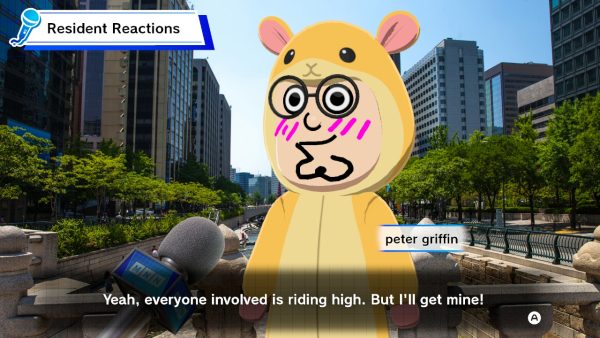
Beforehand, customization of Mii’s and where they were living was limited, but now there is a painting feature. Within this feature, you can add face paint to Mii’s, create clothes and designs of their rooms for them, while being able to completely customize the island. You can paint the outside of the Mii’s houses, create pathways and objects to place around the island, and can change the island’s shape to whatever you desire.
This isn’t some lazy remake to keep up with the growing technology of Nintendo and the Switch, it adds a completely new look of customization and activities, even allowing your Mii’s to have quirks like “Public Farter.” It also adds more shops and interactions across the island, making it feel less repetitive than the 3DS version. While it is still a “hands-off” simulation game, there is more to watch and create. Your Mii even asks you questions and picks up your answers to create lingo used across all Miis on the island.
Nintendo also did more than fix the customization; they fixed an ongoing issue fans have had for years, of wanting representation. Tomodachi Life is supposed to be a reflection of real people in their humorous everyday lives. Living the Dream brought representation for all communities, allowing same-sex relationships and allowing a non-binary gender option, unlike the original game.
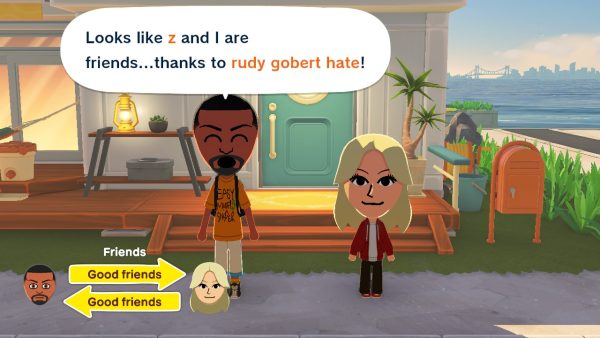
While the game and all its new updates are amazing and fun, some fans still find it repetitive. The structure of the course is similar to the 3DS version, which can make it feel repetitive and boring after long periods of time. With them removing things like the concert hall, some fans who played the original find it missing important pieces. The Mii’s, as well as some fans’ words, feel too “friendly”. In the original, you can see your Mii’s pick fights, but in Living the Dream, all the Mii’s seem to all relatively get along with limited scene and dialogue options.
Despite some of these flaws for some of the players, it is still a great game. Living the Dream is not trying to be something it’s not, like The Sims; it is a sandbox game, not some in-depth simulator. It is built for randomness, humor, and slight repetitiveness. It’s a great game for anyone who enjoys creative low-stress gaming.
Tomodachi Life: Living the Dream is easily a contender for game of the year, despite it being released just two weeks ago now. Its wackiness and creativity give it a gaming platform for all ages to enjoy.