
![Gas prices being displayed at a Shell gas station as an airplane approaches San Diego International Airport for a landing on April 24.
[Source: Kevin Carter/Getty Images]](https://mbspyglass.org/wp-content/uploads/2026/05/RabadonJet-Fuel-1.png)
!["PROM" sign at The Penny in SLO. [Elizabeth Davis]](https://mbspyglass.org/wp-content/uploads/2026/05/0025-1200x800.jpg)
![The Statue of Liberty in New York City. [Source: Britannica]](https://mbspyglass.org/wp-content/uploads/2026/05/Statue-of-Liberty-Island-New-York-Bay-1200x800.webp)




![Umi Sushi Morro Bay. [Source: Visit Morro Bay]](https://mbspyglass.org/wp-content/uploads/2026/05/Umi-sushi_3E8C3621-5056-A36A-062A18D5069BFE34-3e8c35ce5056a36_e45adf5f6bc0c5c2a30a39868f44eab6.jpg)












![Mrs. Ricasata sharing a hug with one of her former students who came to visit. [Credit: Ms. Ricasata]](https://mbspyglass.org/wp-content/uploads/2026/03/unnamed-11-1200x900.jpg)


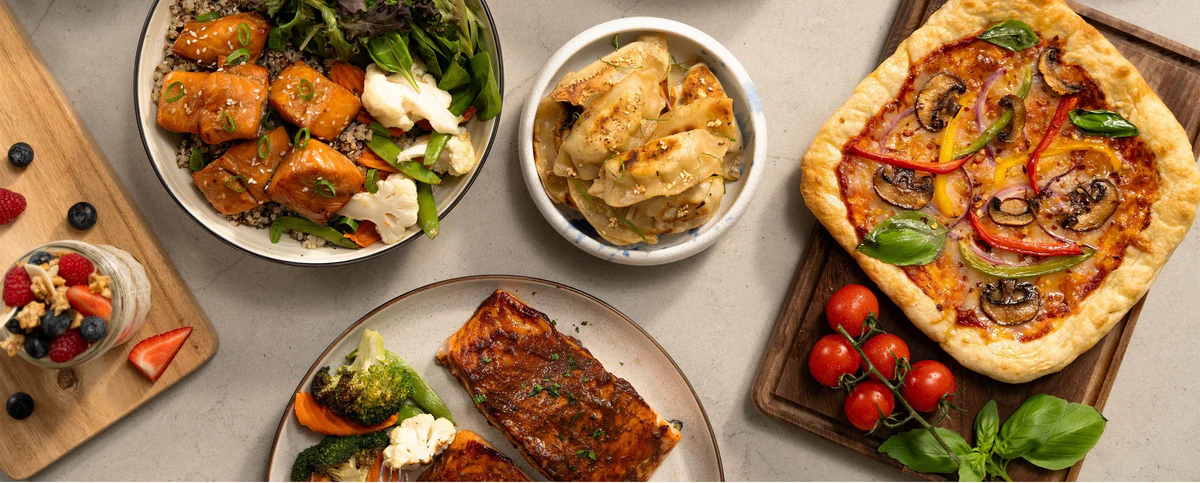
One of the necessities humans and all living beings need to survive is a food source. The food industry in the United States is not giving its consumers what it used to. After WWll people in the US started opening supermarkets, and the food industry was born. Citizens sought out convenience with their food instead of growing and making their own. This has caused people to not only become detached from their food but also to allow an important survival contributor to be reduced in quality.
Currently 17,100 food distributors exist in the US, but there are 10 main ones. These include US Foods, Performance Food Group, United Natural Foods, and the largest of all, Sysco. Sysco is the largest food distributor in the US, with $78 billion in sales in 2024, and a 3.2% increase in 2025 with $81 billion in sales. This causes most food in high-end restaurants to be the same food in lower-level restaurants, with prices being heavily different. While restaurants can make food with ingredients from Sysco, there are many instances where they use precooked items and sell the dish as high-end. Many consumers are complaining that all food tastes the same, which is an outcome to this. To add on this, the price of food at take-out restaurants has increased. From 2020 to 2024, the price of take-out has increased by 23.6%, with some places like McDonald’s doubling in price from 2014. In 2014, a McDonald’s quarter-pounder was approximately $6, while in 2026, it cost approximately $12.

One of the most concerning problems, however, is the chemicals in our food that stop ice cream from melting and cheese from spoiling. Many popular brands, such as Breyers and Dairy Queen, are no longer legally able to label their products as ice cream. On their packaging, there is small text labeling products as a frozen dairy dessert. In the US, ice cream has to contain at least 10% of milkfat in order to be legally labeled as such. Many brands are replacing milkfat with syrups and stabilizers that prevent the “frozen dairy desert” from melting even when left out for multiple days. This is also seen in chocolates, as real cocoa butter is rarely used. Cocoa has become too expensive for companies, so they have replaced it with vegetable oils. Around two-thirds of cocoa in the US is bought from West African countries. Since West African countries are facing extreme weather, the supply of cocoa has decreased, causing these cocoa fillers to be used.
With this in mind, we are seeing negative effects throughout the food industry on quality food. 6 in 10 US deaths were assisted by diet-related causes. The preservatives in bread have been linked to gluten sensitivity, and American cheese have been found to be full of microplastics. The industry is replacing real ingredients with chemicals that will continue to cause impact.